
Fauna
West Bengal is one of India's richest biodiversity hotspots, harbouring an extraordinary diversity of fauna owing to its wide range of physiographic and ecological zones. This remarkable habitat diversity supports a wide spectrum of terrestrial, freshwater, and marine fauna.
The State is home to more than 1894 species of Chordates (including Hemichordate) and 20656 species of invertebrate species, including insects, butterflies, spiders, molluscs, and other lesser-known organisms that play indispensable roles in ecosystem functioning. West Bengal supports over 188 species of mammals, 846 species of birds, 149 species of reptiles, 41 species of amphibians, and more than 650 species of freshwater and marine fishes (Source: ZSI, 2024), making it one of the most faunistically diverse regions of the country.
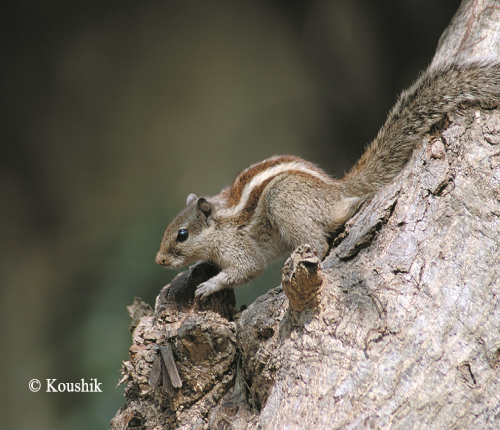
Five Striped Palm Squirrel
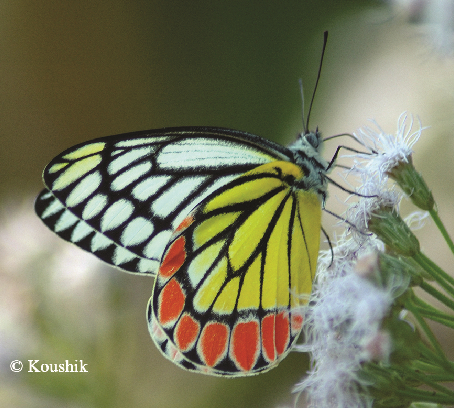
Common Jazebel
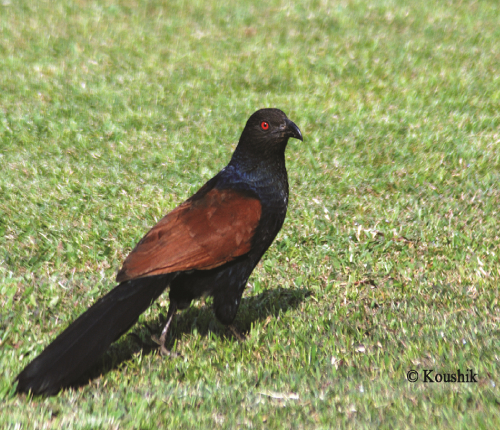
Greater Coucal
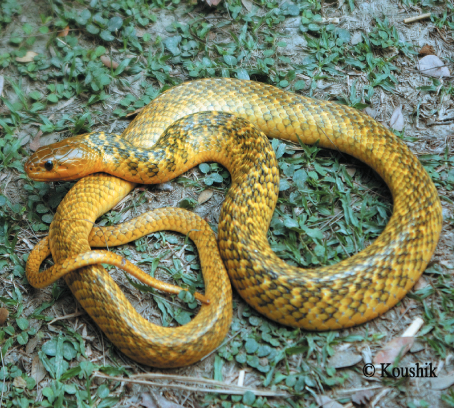
Checkered Keel Back
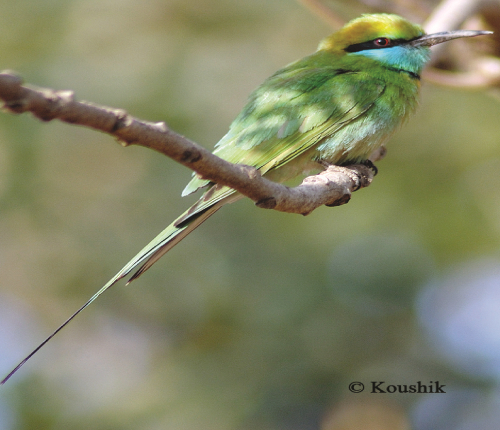
Green Bee-eater
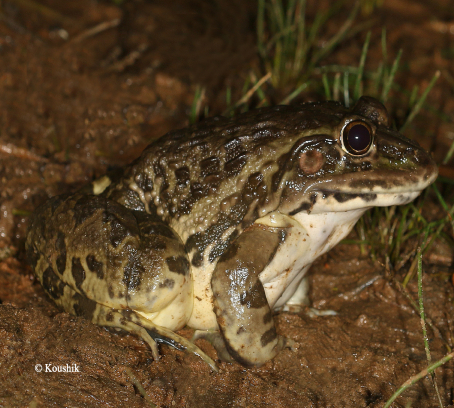
Indian Bull Frog
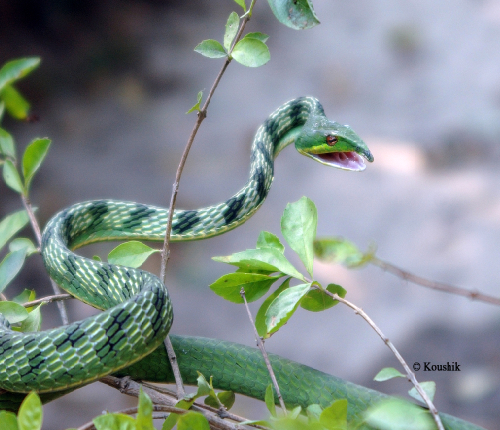
Common Vine Snake
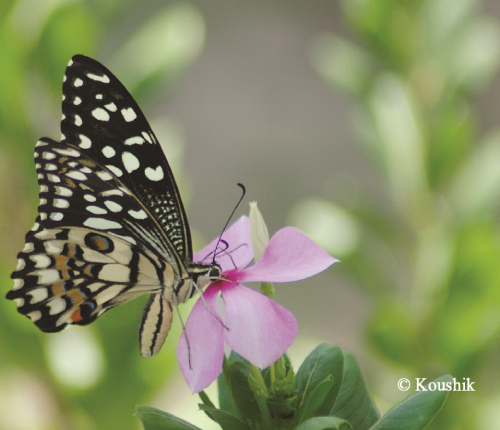
Lime Butterfly
Among the flagship mammals are the Royal Bengal Tiger, Asian Elephant, Indian Rhinoceros, Leopard, Clouded Leopard, Red Panda, Gaur, Himalayan Black Bear, Fishing Cat, Smooth-coated Otter, and several species of deer and primates. The Sundarbans represent the only mangrove ecosystem in the world inhabited by the Royal Bengal Tiger and support an exceptional diversity of estuarine fishes, crustaceans, reptiles, and migratory birds.
West Bengal is also an important destination for resident and migratory birds. The State's forests, wetlands, rivers, reservoirs, and coastal habitats provide breeding, nesting, and wintering grounds for numerous species, including hornbills, pheasants, storks, herons, egrets, ducks, geese, raptors, shorebirds, kingfishers, and songbirds. Wetlands such as those in the Gangetic plains serve as critical stopover sites along international migratory flyways.
The diverse aquatic ecosystems of West Bengal—including the Ganga and its tributaries, oxbow lakes, marshes, ponds, estuaries, and coastal waters—support rich fish diversity, freshwater turtles, crocodilians, amphibians, molluscs, and a variety of aquatic invertebrates. These ecosystems are of immense ecological, cultural, and economic significance, sustaining fisheries and the livelihoods of millions of people.
The State also possesses remarkable insect diversity, including hundreds of species of butterflies, dragonflies, bees, beetles, moths, and other pollinators that contribute significantly to ecosystem health, pollination, nutrient cycling, and biological pest control. Several rare and endemic species have been documented from the Himalayan and forest ecosystems of northern and western West Bengal.
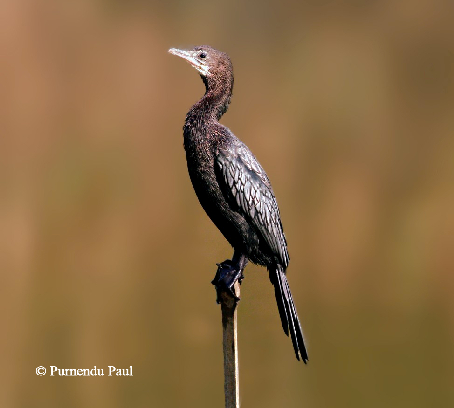
Little Commorant
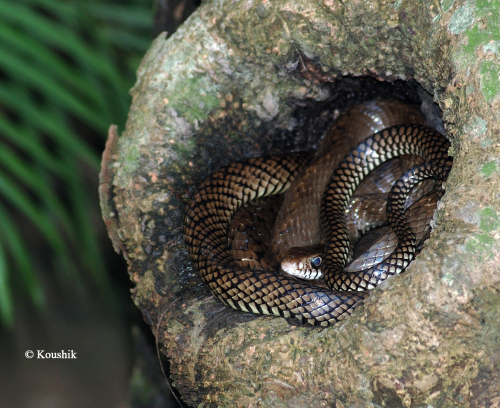
Indian Rat Snake
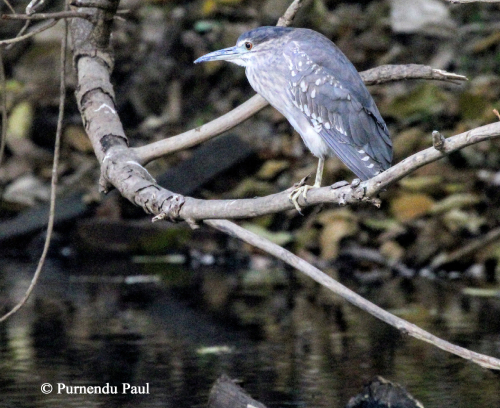
Night Heron
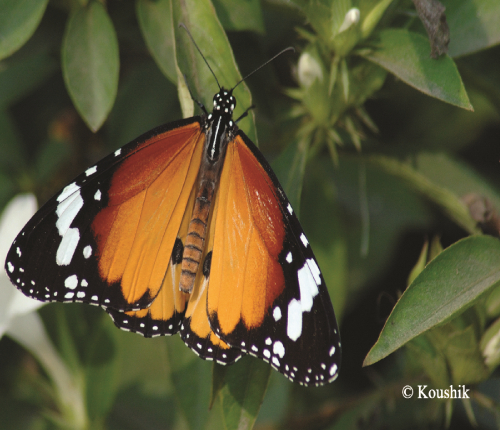
Plain Tiger
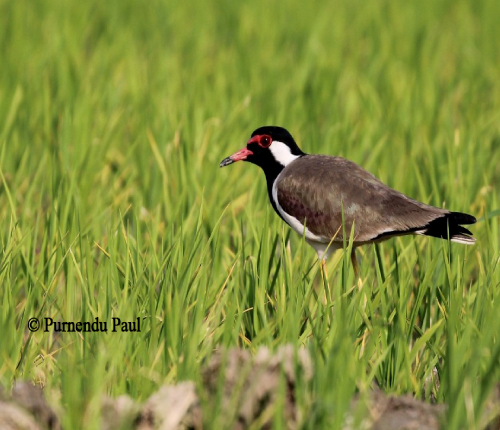
Red Wattled lapwing
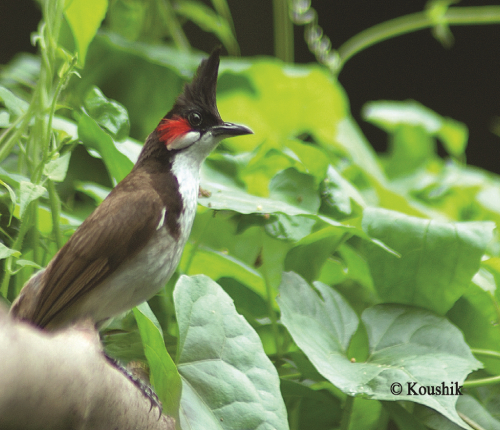
Red Whiskered Bulbul
To conserve this invaluable faunal wealth, West Bengal has established an extensive network of National Parks, Wildlife Sanctuaries, Conservation Reserves, Eco-sensitive Zones, Biodiversity Heritage Sites, and community-managed conservation areas. These protected landscapes safeguard critical habitats for threatened and endemic species while promoting ecological connectivity across landscapes.
The West Bengal Biodiversity Board, in collaboration with the Forest Department, Biodiversity Management Committees (BMCs), research institutions, academic organizations, civil society groups, and local communities, is actively engaged in documenting faunal diversity through People's Biodiversity Registers (PBRs), promoting conservation awareness, supporting habitat restoration, conserving threatened species, encouraging community participation, and facilitating scientific research and biodiversity monitoring.
Conservation of the State's faunal diversity is fundamental to maintaining ecological balance, ensuring food security, supporting ecosystem services, enhancing climate resilience, and preserving West Bengal's unique natural heritage for future generations.